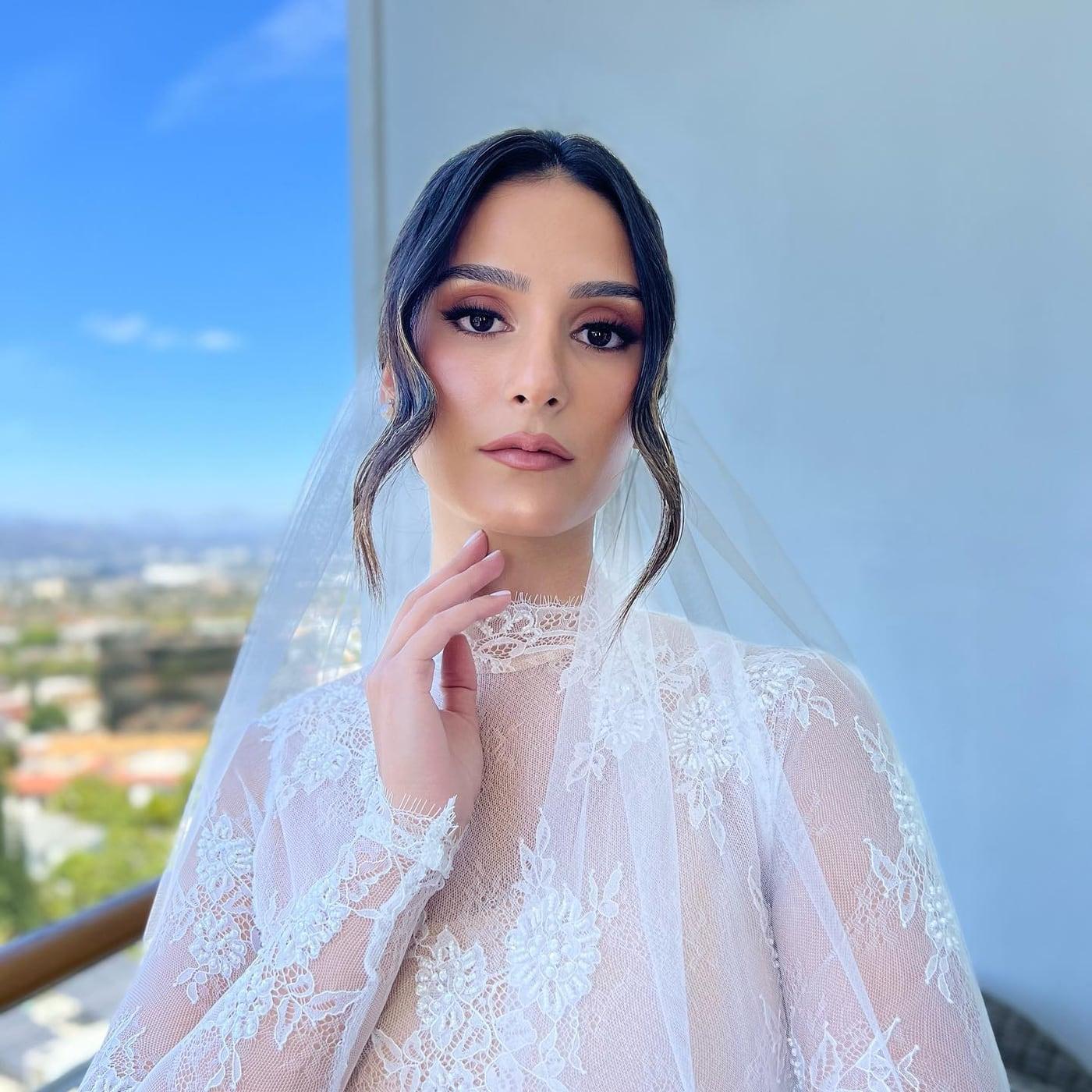
What each kind of light does to makeup
| Light | What happens | What helps |
|---|---|---|
| Window daylight | Soft and true to color; shows skin texture honestly | Well-prepared skin and thin, blended layers |
| Direct sun | Harsh shadows under brows and eyes | Portrait timing in shade or golden hour |
| Camera flash | Can flatten features and highlight shine | Defined brows and lashes, controlled shine, and careful setting |
| Warm reception lighting | Adds warmth; can make soft makeup disappear | Slightly more eye and lip definition for the evening |
| Colored uplighting | Casts color onto skin and the dress | Keep saturated colors away from where guests are photographed |
How Mahsa plans makeup for changing light
At your Bridal Preview, Mahsa matches color to your undertones and checks the look for how it will read on camera. Bridal Makeup uses long-wear, high-definition, photo-friendly application so the look stays balanced in daylight and flash. For evening celebrations, a little more definition around the eyes and lips keeps your features from fading under warm light.
Take photos of your preview makeup near a window, indoors, and with your phone's flash on. It is the easiest way to see how the look will photograph.
Talk to your lighting team about skin tones
Reception lighting is designed by your production team, and it affects every portrait taken on the dance floor. Ask them to keep the head table and dance floor in flattering, warmer light and to save bold colors for walls and architecture. For lighting and production recommendations, see Mahsa's recommended wedding professionals.
Makeup choices that photograph well
- Prepared skin first. Well-hydrated, smooth skin reflects light evenly and needs less product.
- Test powders and sunscreen under flash. Some setting powders and high-SPF products can look lighter or whiter in flash photos; try them at your preview.
- Define brows and lashes. Cameras flatten features, and definition keeps your eyes readable from across the room.
- Choose a lip color with a little depth. Very pale lips can disappear under warm reception light.
- Plan for shine. Blotting papers and a quick touch-up before portraits keep skin from looking oily on camera.
Outdoor ceremonies and golden-hour portraits are some of the most flattering light of the day. Ask your photographer when golden hour falls on your date, and plan a touch-up just before, so your makeup looks fresh for those photos.
Questions clients ask
Why does makeup look different in wedding photos?
Light changes it. Flash can flatten features and show shine, while warm reception light can make soft makeup look lighter than it does in person.
Does flash photography wash out bridal makeup?
It can. Defined brows and lashes, controlled shine, and careful setting help makeup hold up under flash.
Does colored uplighting affect how my skin looks in photos?
Yes. Saturated colors cast onto skin and the dress, so many couples keep strong colors on walls rather than where guests are photographed.
Should my evening makeup be heavier than my ceremony makeup?
Often slightly more defined, not heavier. A little extra eye and lip definition keeps features visible under warm reception lighting.
How can I test how my makeup photographs?
At your bridal preview, take photos by a window, indoors, and with flash, and look at them together with your makeup artist.
Does my wedding makeup need to look different for an outdoor ceremony?
Usually not different, just planned for daylight. Outdoor light shows skin texture and color honestly, so careful skin preparation, thin layers, and a touch-up before golden-hour portraits matter more than a heavier look.
Keep exploring
Written by Mahsa Gerami, The Brow Doctor | Makeup By Mahsa G.. Last updated .